
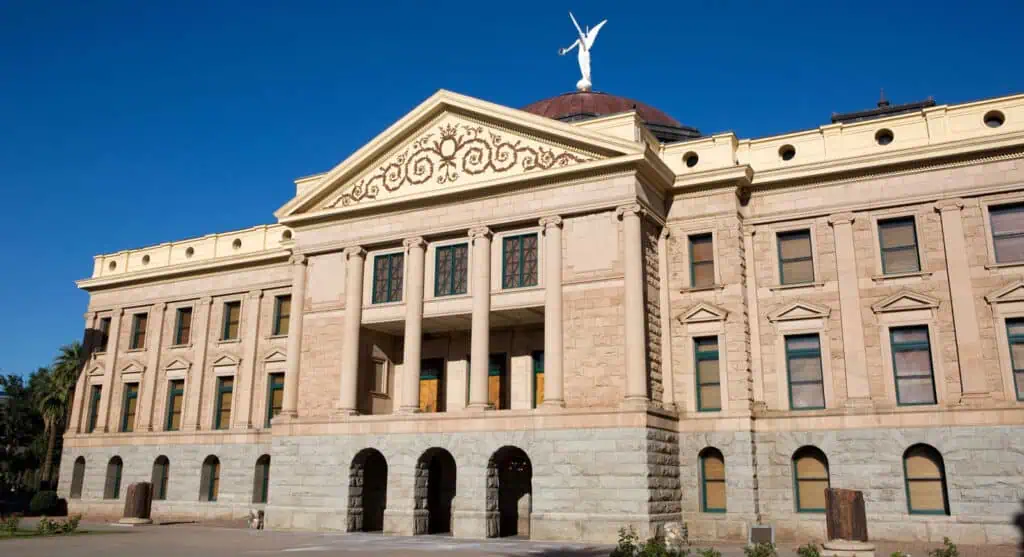
The Arizona Sober Living Crisis represents one of the most troubling failures of oversight, accountability, and care in recent memory. Thousands of vulnerable individuals, primarily from Native American communities, were drawn into a system that promised recovery but instead delivered exploitation. Today, a growing legal effort is at work to hold accountable those responsible. And to pursue justice for victims and their families.
The Arizona Sober Living Crisis Demands Attention
The Arizona Sober Living Crisis is not just another lawsuit. It is a large-scale legal battle rooted in years of alleged fraud, neglect, and systemic failure.
More than 7,000 victims were impacted, many of them Native Americans who sought help for addiction and recovery. Over the course of several years, billions of taxpayer dollars were allegedly funneled into fraudulent operations. Despite early warning signs, state authorities are accused of failing to act in a timely and meaningful way.
At the center of the legal fight is Maddox & Cisneros, PLLC, led by attorney Norberto “Norby” Cisneros. With deep experience in complex litigation and tribal law, the firm is pursuing accountability for what many see as a preventable tragedy.
How the Scheme Worked
Victims were often targeted directly, recruited through social media and even transported in person from reservations under the promise of treatment, housing, and recovery support.
Instead, many never received the care they were promised.
After intake, personal and medical information was collected. Fraudulent operators then allegedly billed Arizona’s Medicaid system (AHCCCS) and the Arizona Department of Health Services for services that were never provided. Meanwhile, victims were left untreated, abandoned, or worse.
Some individuals went missing, while others lost their lives over the course of events.
The Financial Impact
The financial scale of the Arizona Sober Living Crisis is staggering.
Current estimates state nearly $3 billion in taxpayer-funded healthcare dollars were paid out for services that were never rendered. These funds were intended to support some of the state’s most vulnerable populations but were instead diverted through what plaintiffs describe as a widespread scheme.
Questions Surrounding State Response
One of the most controversial aspects of the case involves the role of state authorities.
According to the original lawsuit, Arizona officials were aware of the fraud as early as 2019. However, meaningful action was not taken until 2023.
Plaintiffs allege that warnings from Native communities were ignored or minimized, allowing the scheme to continue unchecked. Claims of systemic neglect and complicity remain central to the case. The Arizona Attorney General’s Office has since made prosecuting this healthcare fraud a public priority.
As one lead attorney noted, many of the same individuals in key oversight roles remain in place, raising serious questions about accountability and institutional reform.
The Human Cost
Behind the legal claims and financial figures are real people and devastated communities.
Native individuals who sought help for addiction, homelessness, and healthcare were instead misled and exploited. Families were left searching for answers. Communities were left to deal with the aftermath.
The Arizona Sober Living Crisis is about broken trust and human suffering on a large scale.
Take Action
A class action lawsuit tied to the Arizona Sober Living Crisis is now underway to pursue justice for victims and to hold responsible parties accountable. If you or someone you know was affected by a sober living program in Arizona, or elsewhere, particularly involving recruitment through the American Indian health plans or for services involving the Arizona Department of Health and/or AHCCCS, you may have legal options.
Maddox & Cisneros, PLLC, is actively working with victims and families impacted by the crisis. The firm brings experience in tribal law and complex class action litigation. You can request a case review or learn more about your rights by contacting the firm directly at 702.366.1900 or visiting our contact page.
No one seeking help should ever be exploited. Accountability is long overdue.
Frequently Asked Questions
It was a large-scale fraud scheme in which operators of sober living homes and behavioral health providers exploited people seeking addiction treatment—overwhelmingly Native Americans—to bill Arizona’s Medicaid program for services that were never provided or were grossly inadequate. It has been described as one of the largest healthcare fraud scandals in the state’s history, with nearly $3 billion in taxpayer-funded healthcare dollars allegedly paid out.
Fraudulent operators recruited vulnerable individuals—often directly from reservations or through social media—by promising housing, treatment, and recovery support. Once people were enrolled, their personal and medical information was used to bill Arizona’s Medicaid system (AHCCCS) and other state programs for treatment that frequently never happened. Many residents received little or no actual care.
More than 7,000 victims were impacted, the majority from Native American communities. Many had come to the Phoenix area seeking help with addiction or homelessness. According to reports, some individuals went missing and others lost their lives after being drawn into these facilities.
Authorities estimate that close to $3 billion in Medicaid and state healthcare funds were fraudulently billed for services that were never rendered.
Reporting indicates that warning signs were present as early as 2019, but meaningful enforcement action wasn’t taken until 2023. That gap allowed the fraud to continue and the number of victims to grow, raising serious questions about oversight and accountability.
The primary programs implicated are the Arizona Health Care Cost Containment System (AHCCCS)—the state’s Medicaid agency—and the Arizona Department of Health Services, which oversees licensing and health regulation.
You may be eligible to join a class action lawsuit seeking accountability and compensation. It helps to document what you can—dates, facility names, and any records you have—and to speak with an attorney about your options. Maddox & Cisneros, PLLC is currently investigating and pursuing claims on behalf of affected individuals and families.
You can contact Maddox & Cisneros, PLLC at (702) 366-1900 or through the firm’s website to request a free, confidential case review. There is no obligation to explore your legal options.
Consultations for cases like this are typically free, and firms handling class actions of this kind generally work on a contingency basis—meaning you don’t pay attorney’s fees unless there is a recovery. Confirm the specific terms directly with the firm.
The aim is accountability: holding the operators and responsible parties liable for exploiting vulnerable people, and seeking justice and compensation for the victims and families who were harmed.