
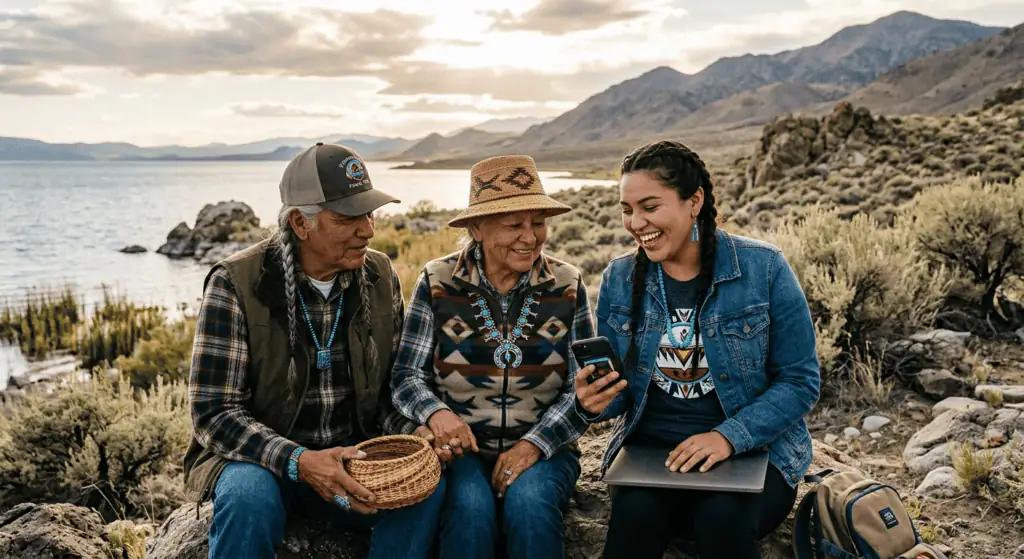
Honoring Indigenous Peoples Day is more than marking a date on the calendar — it is a chance to recognize the history, resilience, and living cultures of the Native American and Indigenous communities who have called this land home since long before Nevada became a state. This Sunday, August 9, the world observes the International Day of the World’s Indigenous Peoples, a moment for education, reflection, and genuine respect for Indigenous nations everywhere.
The History Behind Honoring Indigenous Peoples Day
Several distinct observances honor Indigenous communities, and it helps to keep them straight. The International Day of the World’s Indigenous Peoples — often called World Indigenous Peoples Day — falls each year on August 9. The United Nations established it in 1994, and the date commemorates the first meeting of the UN Working Group on Indigenous Populations, held in Geneva in 1982. Each year carries a theme, and the 2026 theme is “Honouring Indigenous Midwives: Safeguarding Life and Well-being.” In the United States, National Indigenous Peoples’ Day is observed separately on the second Monday of October — a day that, in many cities and states, now stands in place of Columbus Day and earned its first presidential proclamation in 2021 — while many communities mark Indigenous Peoples’ Month throughout October. To explore the global observance, the United Nations shares background and each year’s theme, and the Smithsonian’s National Museum of the American Indian offers rich historical and cultural resources.Respectful Observance in Las Vegas
Southern Nevada sits on the ancestral lands of the Nuwuvi, or Southern Paiute people, and today the Las Vegas Paiute Tribe and the Moapa Band of Paiutes remain vital parts of the region’s cultural fabric. Honoring Indigenous Peoples Day in Las Vegas can mean attending a tribal cultural event, supporting Native-owned businesses and artists, learning the true history of the land you live and work on, or simply making space to listen to Indigenous voices. Respectful observance is not a single gesture on one day — it is an ongoing commitment to recognition, partnership, and accountability throughout the year. For those looking to observe the day meaningfully, a few thoughtful actions go a long way:- Learn whose ancestral land you live on and the history of the tribes still present today.
- Attend a powwow, cultural celebration, or educational event hosted by a local tribe.
- Support Native-owned businesses, artists, and community organizations.
- Advocate for policies that protect tribal sovereignty, sacred sites, and treaty rights.