
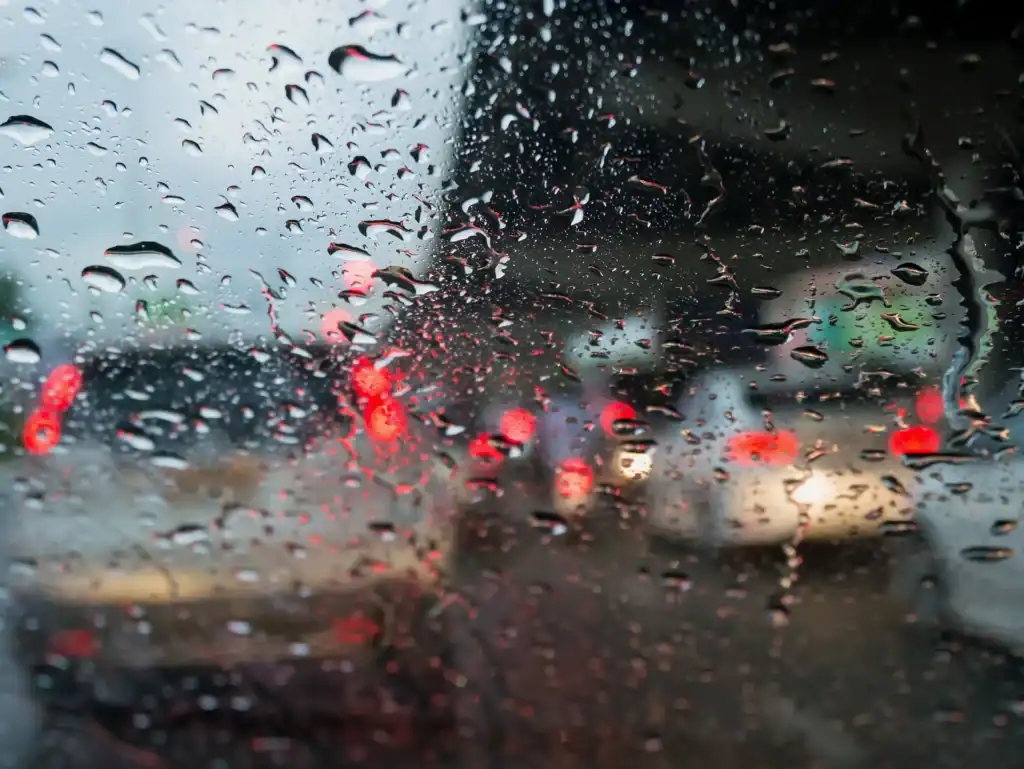
A Las Vegas rain accident can happen without warning—and it’s far more dangerous than most drivers expect. Las Vegas averages only 26 rainy days a year, and that rarity is exactly what makes those days so deadly. According to the National Weather Service Las Vegas, most precipitation falls during summer monsoon season—intense, short-duration storms that overwhelm roads designed for desert conditions. Drivers accustomed to dry, sun-baked roads lack the instincts needed to handle wet conditions safely. This guide breaks down why a Las Vegas rain accident is more likely than most people think—and what your legal rights are if you’re hurt in one.
Las Vegas Is One of the Driest Cities in the Nation
Known for its vibrant nightlife, entertainment, and emerging sports scene, Las Vegas holds the distinction of being one of the driest cities in the continental United States—averaging just over four inches of rain annually, second only to Yuma, Arizona. Rain is rare, snowfall happens roughly once a decade, and June is typically bone-dry. But any day of the year can produce a sudden downpour—and when it does, Las Vegas rain accidents spike sharply.
Rainy Weather and Roadway Hazards
While rain brings welcome relief from drought, it brings a sharp increase in wet road accidents in Nevada. Las Vegas averages only 26 rainy days per year, making wet conditions rare enough that most drivers are completely unprepared when they occur. That unfamiliarity is what makes a Las Vegas rain accident so disproportionately severe compared to other cities.
Why Wet Roads Are Especially Dangerous in Southern Nevada
The infrequency of rain creates unique hazards on Las Vegas roads:
- Vehicle Fluids Accumulate on Roadways: Motor oils and fluids seep into dry roads and stay there for weeks. When rain arrives, they surge to the surface in large quantities—making roads slicker than ice. Stopping distances increase dramatically and catch most drivers off guard.
- Unfamiliarity with Wet Weather Driving: Most Las Vegas drivers have little experience handling wet conditions. Sudden steering pulls from puddles, splash blindness from passing vehicles, and wet skids expose habits—tailgating on I-15, last-second lane changes—that are dangerous even when dry.
Common Challenges Faced by Drivers in the Rain
When rain falls, southern Nevada drivers face several specific hazards:
- Increased Stopping Distances: Wet pavement requires significantly more distance to stop than drivers accustomed to dry roads typically allow.
- Understeering: Reduced traction makes tires lose grip through turns, causing vehicles to push wide rather than follow the intended path.
- Puddle-Induced Pulling: Hitting puddles creates sudden tugs on the steering wheel that unprepared drivers often overcorrect.
- Impaired Visibility: Sun-damaged windshield wipers—rarely needed in Las Vegas—fail at the worst possible moment.
Infrastructure Challenges
Despite improvements over the years, Las Vegas is still poorly equipped to handle heavy rainfall. Storm drains help, but the desert environment leaves many low-lying areas flood-prone. Poor drainage is one of the most under-addressed dangers on valley roads—and when drainage failures contribute to a Las Vegas rain accident, a government entity may share liability. For a full look at how Las Vegas infrastructure creates accident risks, see our post on dangerous road conditions in Las Vegas.
Distracted Driving During Rainy Conditions
Distracted driving is always the leading cause of accidents in Las Vegas, but rain amplifies it. Drivers reach for their phones to share weather alerts or text about delays—adding inattention to already hazardous wet conditions. The combination dramatically increases the likelihood of a Las Vegas rain accident.
Hurt in a Las Vegas Rain Accident? Your Rights Still Apply.
Rain does not eliminate driver responsibility—every driver is legally required to adjust speed and behavior for road conditions. When another driver’s failure to do so causes a Las Vegas rain accident, you have the same right to compensation as in any other crash.
At Maddox & Cisneros, PLLC, we investigate all contributing factors: driver negligence, drainage failures, and road maintenance shortfalls. Not sure what to do first? Read our guide on 5 key questions to ask a personal injury attorney. Then contact our rain accident attorney in Las Vegas for a free, no-obligation consultation. No fee unless we win.