
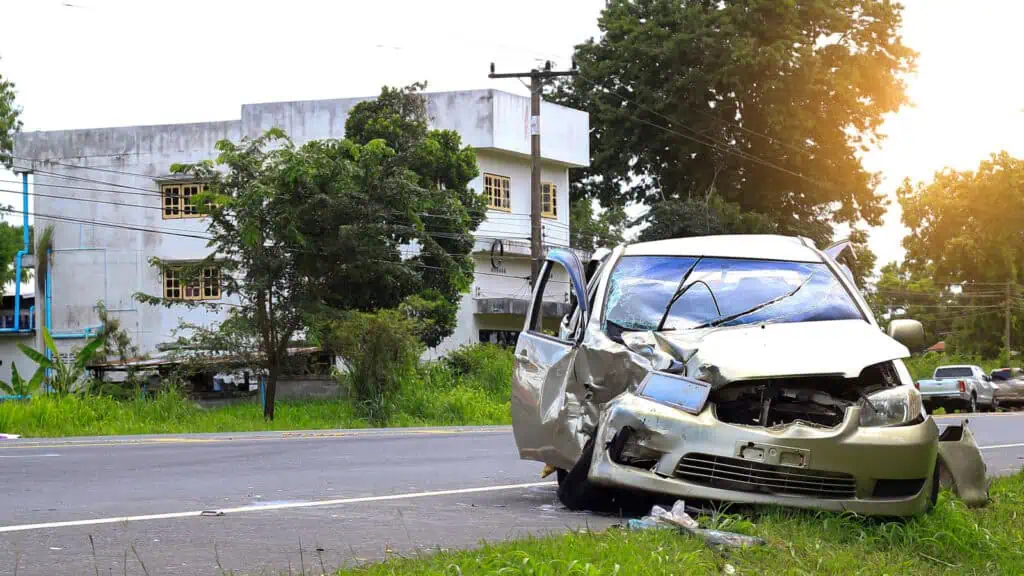
When people talk about roadway accidents, the conversation almost always centers on negligent drivers, distractions, or vehicle failures. But there’s a less-visible contributing factor that Nevada accident attorneys see in their cases regularly: road infrastructure failures in Las Vegas. The design, construction, and maintenance of our roads play a significant—and often overlooked—role in causing crashes. For residents of the greater Las Vegas metropolitan area, this issue is especially pressing given the region’s rapid growth and unique environmental challenges.
At Maddox & Cisneros, PLLC, we understand the complexities of roadway infrastructure accidents in Nevada and are committed to identifying every source of liability for our clients. Below are nine of the most significant infrastructure-related hazards drivers face on Las Vegas roads every day.
1. Faded Pavement Markings
Southern Nevada’s extreme temperatures wreak havoc on road striping, lane dividers, and crosswalks. Intense heat quickly deteriorates paint, adhesives, and other materials, leaving streets without clear lane indicators. A section on the southern westbound loop between the I-15 exit and Jones Road was a classic example—lines virtually invisible exactly where lanes shifted. That lack of visibility, combined with high traffic volumes, is a recipe for collisions. Faded markings are one of the most common Las Vegas road infrastructure hazards our clients report after crashes.
2. Debris on Roadways
High winds and construction activities scatter debris across Las Vegas roads constantly—nails, tools, rocks, and litter create serious hazards for drivers. With the city hosting over 40 million visitors annually alongside 2.5 million permanent residents, local roads carry more debris than similarly sized cities. When debris causes a driver to swerve and crash, the parties responsible for the roadway may share liability for a road defect car accident in Nevada.
3. Flood-Prone Low Areas
In a city that seldom sees rain, drivers are genuinely unprepared when it arrives. Water pools quickly in low-lying areas, leading to hydroplaning, reduced visibility, and sudden steering difficulties. Drivers unfamiliar with these conditions frequently overcompensate and lose control. See our post on why Las Vegas rain causes serious accidents for a deeper look at this hazard.
4. Unpredictable Lane Narrowing
Las Vegas drivers regularly encounter roads that unexpectedly shrink from multiple lanes to a single one—creating bottlenecks and forcing abrupt braking and erratic lane changes. These “saw-toothed” roads are scattered throughout the valley. Maryland Parkway at Citrus Avenue is a well-known example. Without proper signage or warnings, sudden lane narrowing is a significant Las Vegas road infrastructure hazard and a frequent source of rear-end and sideswipe collisions.
5. Constant Construction Zones
Las Vegas is the “Construction Cone Zone Capital of the World” as much as it is the Entertainment Capital. From Formula 1 road repaving to major interstate construction, the valley is riddled with work zones that create confusion, congestion, and heightened risk for drivers and pedestrians. Even long-established construction corridors remain consistent hotspots for roadway infrastructure accidents in Las Vegas.
6. Improperly Designed Curves
Several Las Vegas roads feature curves that are either flat or, worse, sloped in the wrong downhill direction. These design flaws reduce tire traction at speeds lower than most drivers would expect. When improper banking contributes to a crash, a government agency or private contractor may be liable for a road defect accident in Nevada—separate from any driver fault.
7. Obstructed Signage
Hidden stop signs and obstructed critical road markers are a persistent hazard across the valley. Signs become concealed behind overgrown trees and bushes, startling drivers who encounter them suddenly. In worst cases, drivers run stop signs. In an area already challenged by high rates of traffic violations and impaired driving, obstructed signage is a dangerous and preventable amplifier of risk.
8. Poor Road Conditions
Uneven pavement, potholes, and poorly patched roads cause drivers to make sudden, unpredictable maneuvers—increasing collision risk for everyone nearby. The consequences range from bent rims and blown tires to complete loss of vehicle control. Poor road maintenance is a classic road defect car accident scenario in Nevada: the agency responsible for upkeep may bear liability for the resulting damage. The Nevada Department of Transportation maintains road condition and maintenance records that can be critical evidence when establishing that a defect was known and unaddressed.
9. Median Cuts and Road Diversions
As Las Vegas continues its rapid growth, new shopping centers, entertainment venues, and housing developments constantly trigger road layout modifications. These changes create unfamiliar driving patterns that leave both residents and visitors confused and more prone to accidents. Poorly planned median cuts and diversions are among the most frequently reported Las Vegas road infrastructure hazards in accident reports.
What to Do If Road Infrastructure Caused Your Accident
When a crash is caused—wholly or in part—by a road defect or infrastructure failure, the liable parties extend beyond any at-fault driver. Government agencies and contractors responsible for designing, building, and maintaining Nevada’s roads can be held accountable. But these cases have strict procedural requirements: a formal notice of claim must be filed with the relevant government entity within a tight timeframe before a lawsuit can proceed.
At Maddox & Cisneros, PLLC, we’ve seen firsthand how road infrastructure failures in Las Vegas contribute to accidents and the legal complexities that follow. For a more in-depth look at specific hazardous roads in the valley, see our companion post on dangerous roads in Las Vegas. Then contact our personal injury team for a free consultation—no fee unless we win.